Cataract Treatment in Imo State
A cataract is a clouding of the natural lens inside the eye. It is the leading cause of avoidable blindness in Nigeria, and it is also one of the most treatable. At St Joseph’s Eye Hospital Mgbirichi we assess, plan and carry out cataract surgery for patients from across Imo State, Owerri and the wider South East.
What is a cataract?
Inside your eye, behind the pupil, sits a clear lens that focuses light onto the retina. With age this lens gradually becomes cloudy and stiff. That cloudiness is a cataract. Light can no longer pass through cleanly, so vision becomes dim, blurred and washed out, rather like looking through a misted window.
Cataract develops slowly, usually over months or years. Many people adjust to the change without realising how much sight they have lost, which is why cataract is often more advanced than expected by the time it is examined.
Symptoms of cataract
Cataract is painless. The changes are visual, and they build gradually:
Lorem ipsum dolor sit amet, consectetur adipiscing elit. Ut elit tellus, luctus nec ullamcorper mattis, pulvinar dapibus leo.
Lorem ipsum dolor sit amet, consectetur adipiscing elit. Ut elit tellus, luctus nec ullamcorper mattis, pulvinar dapibus leo.
Lorem ipsum dolor sit amet, consectetur adipiscing elit. Ut elit tellus, luctus nec ullamcorper mattis, pulvinar dapibus leo.
Lorem ipsum dolor sit amet, consectetur adipiscing elit. Ut elit tellus, luctus nec ullamcorper mattis, pulvinar dapibus leo.
Lorem ipsum dolor sit amet, consectetur adipiscing elit. Ut elit tellus, luctus nec ullamcorper mattis, pulvinar dapibus leo.
Lorem ipsum dolor sit amet, consectetur adipiscing elit. Ut elit tellus, luctus nec ullamcorper mattis, pulvinar dapibus leo.
Lorem ipsum dolor sit amet, consectetur adipiscing elit. Ut elit tellus, luctus nec ullamcorper mattis, pulvinar dapibus leo.
What causes cataract?
Ageing is by far the most common cause, and most cataracts are simply part of growing older. Other factors raise the risk or bring it on earlier:
Lorem ipsum dolor sit amet, consectetur adipiscing elit. Ut elit tellus, luctus nec ullamcorper mattis, pulvinar dapibus leo.
Lorem ipsum dolor sit amet, consectetur adipiscing elit. Ut elit tellus, luctus nec ullamcorper mattis, pulvinar dapibus leo.
Lorem ipsum dolor sit amet, consectetur adipiscing elit. Ut elit tellus, luctus nec ullamcorper mattis, pulvinar dapibus leo.
Lorem ipsum dolor sit amet, consectetur adipiscing elit. Ut elit tellus, luctus nec ullamcorper mattis, pulvinar dapibus leo.
Lorem ipsum dolor sit amet, consectetur adipiscing elit. Ut elit tellus, luctus nec ullamcorper mattis, pulvinar dapibus leo.
Lorem ipsum dolor sit amet, consectetur adipiscing elit. Ut elit tellus, luctus nec ullamcorper mattis, pulvinar dapibus leo.
Lorem ipsum dolor sit amet, consectetur adipiscing elit. Ut elit tellus, luctus nec ullamcorper mattis, pulvinar dapibus leo.
How cataract is diagnosed
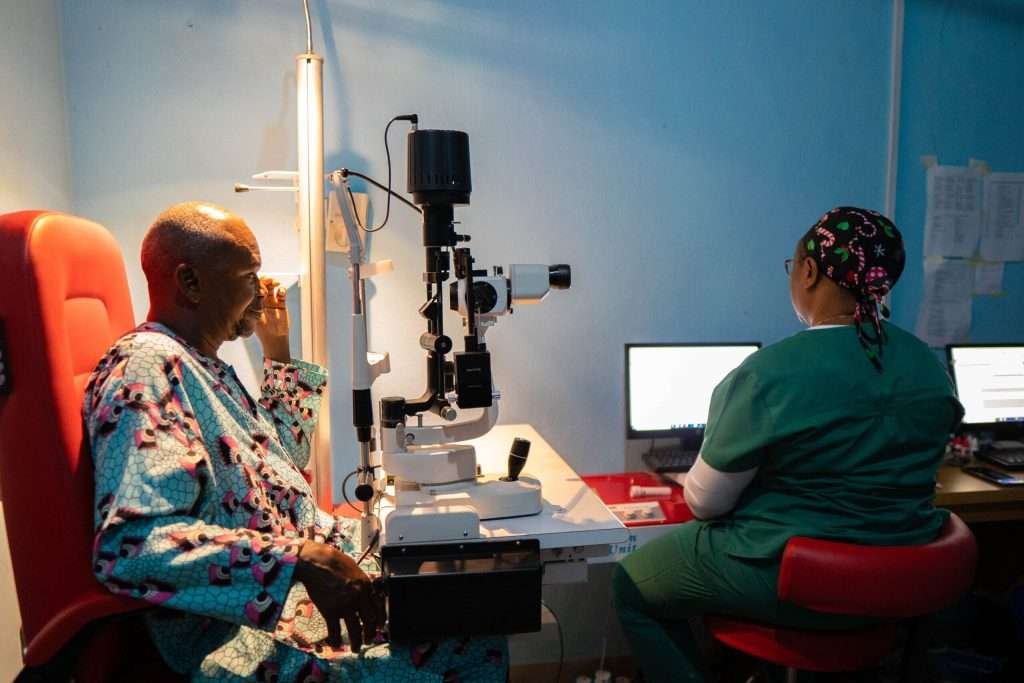
Diagnosis is straightforward and painless. At St Joseph’s Eye Hospital your visit includes a check of your vision, an examination of the front of the eye using a slit lamp, a measurement of the pressure inside the eye and an examination of the retina after dilating the pupil with drops.
If surgery is appropriate, we take measurements of the eye to select the correct lens implant for you, and we check the health of the rest of the eye so we can give you a realistic picture of the vision you can expect afterwards.
Cataract surgery
There is no eye drop or tablet that clears a cataract. The treatment is surgery: the cloudy natural lens is removed and replaced with a clear artificial lens implant that stays in the eye permanently.
The operation is done under local anaesthetic, so you are awake but the eye is numb, and it usually takes well under an hour. Most patients go home the same day. You will be given drops to use for several weeks and a series of follow-up appointments so we can check that the eye is settling well.
Cataract surgery is one of the most successful operations in medicine. The large majority of patients see a clear improvement in vision. As with any operation there are risks, and our team will discuss these with you honestly before you decide.
When to come in
There is no need to wait until a cataract is “ripe”. The right time for surgery is when your sight is interfering with the things you need to do: reading, working, farming, cooking, recognising faces or moving about safely.
Come in sooner rather than later if vision is worsening quickly, if you have diabetes, or if a child has any whiteness in the pupil. Childhood cataract needs urgent attention to protect the development of sight.
Speak to our eye care team
Book an appointment at St Joseph’s Eye Hospital Mgbirichi, or call us to discuss your symptoms. We see patients from across Imo State and the South East.