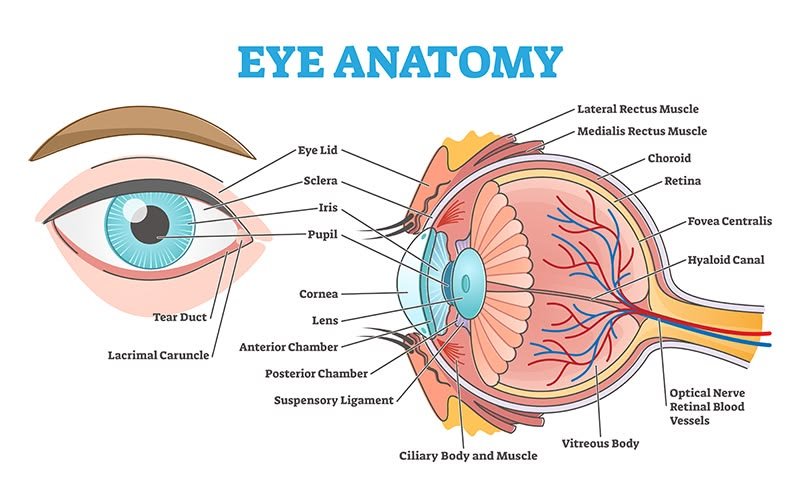
Glaucoma is a group of eye conditions that damage the optic nerve, the nerve responsible for carrying visual information from the eye to the brain. It is one of the leading causes of irreversible blindness worldwide.
What makes glaucoma especially dangerous is that it can develop gradually without obvious symptoms. Many people do not realize they have the condition until significant vision has already been lost.
What Causes Glaucoma?
Glaucoma is often associated with increased pressure inside the eye, known as intraocular pressure. However, some people can develop glaucoma even when their eye pressure is within the normal range.
Risk may be higher in people who:
- Have a family history of glaucoma
- Are over 40 years old
- Have diabetes or certain other health conditions
- Have previously suffered an eye injury
- Use steroid medications for a long period
- Have very high or very low levels of short-sightedness or long-sightedness
What Are the Symptoms?
The most common forms of glaucoma may produce no noticeable symptoms in the early stages.
As the condition progresses, a person may gradually lose peripheral or side vision.
A less common form called acute angle-closure glaucoma can develop suddenly and may cause:
- Severe eye pain
- Headache
- Blurred vision
- Halos around lights
- Redness of the eye
- Nausea or vomiting
Sudden severe eye symptoms require urgent medical attention.
Can Glaucoma Be Treated?
Damage already caused by glaucoma usually cannot be reversed, but early diagnosis and proper treatment can help slow or prevent further vision loss.
Treatment may include:
- Prescription eye drops
- Laser treatment
- Surgery
- Regular monitoring of eye pressure and the optic nerve
The treatment recommended will depend on the type and severity of glaucoma.
Early Detection Can Protect Your Vision
Because glaucoma may progress without warning, regular comprehensive eye examinations are very important, particularly for people who have risk factors or a family history of the disease.
An eye examination can include measurement of eye pressure, examination of the optic nerve, visual-field testing and other investigations where necessary.
Protect Your Sight
Do not wait until you notice changes in your vision before having your eyes checked.
Book an eye examination with St. Joseph’s Eye Hospital, Mgbirichi, and speak with an eye-care professional about glaucoma screening and treatment.
Your sight deserves specialist care.